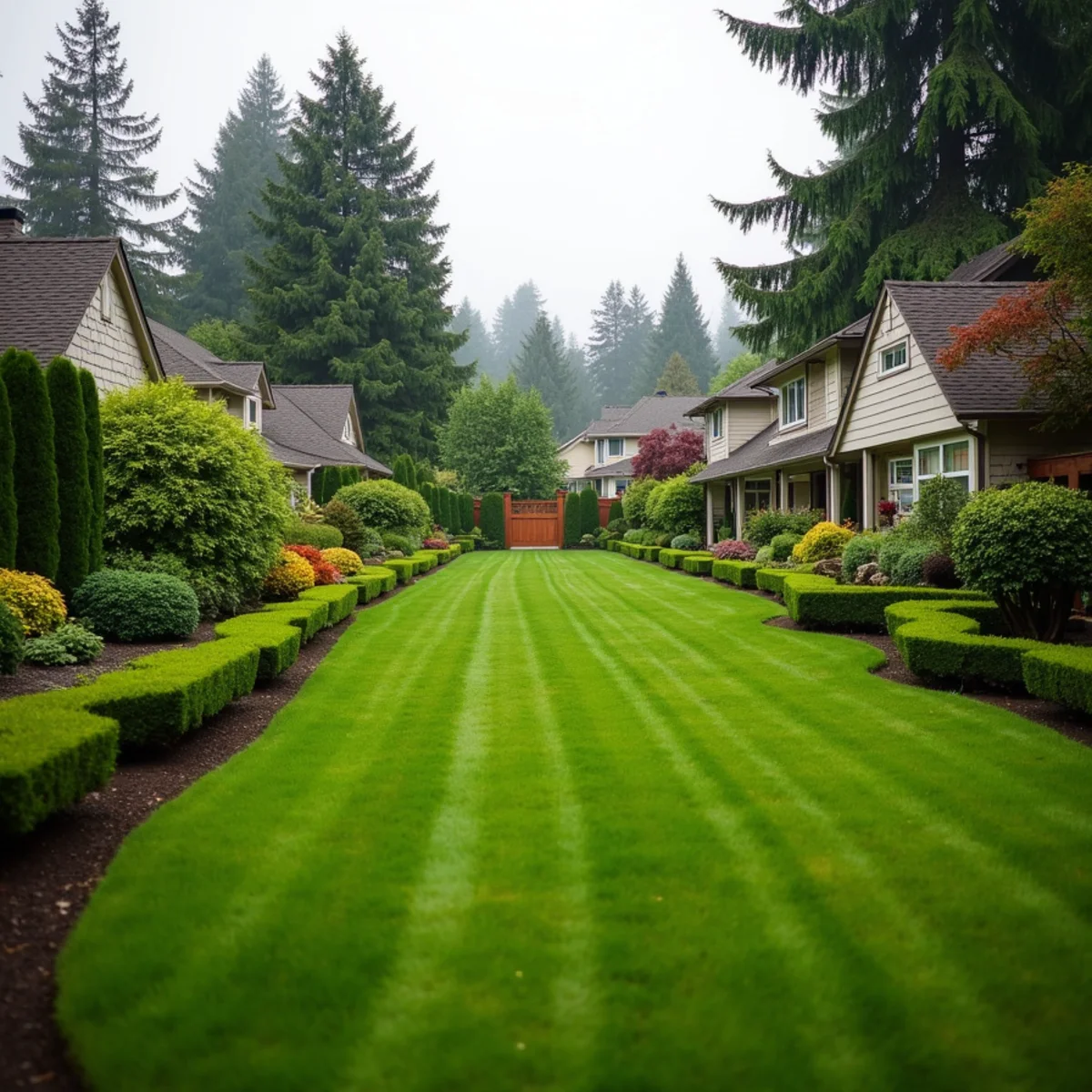
Consistent, well-run HOA grounds protect property values and resident satisfaction. Here is how to set standards that actually deliver curb appeal.
For an HOA board or property manager in King or Snohomish County, the grounds are the community's face. They are the first thing prospective buyers see, a daily backdrop for residents, and a direct driver of property values. Yet HOA landscaping is notoriously easy to get wrong, either through vague expectations that leave common areas looking neglected, or through reactive management that lurches from complaint to complaint. The fix is clear standards, consistently delivered.
This guide covers what strong HOA grounds standards look like, how to structure them, and how to hold a contractor accountable to them across our challenging Pacific Northwest seasons.
Why Standards Matter More Than Effort
A landscaping crew can work hard and still leave a community looking uneven if no one has defined what good looks like. Written standards turn vague hopes into measurable expectations, which protects the HOA, gives the contractor a clear target, and gives residents a fair basis for feedback. Without them, everyone is guessing, and the community's appearance drifts.
You cannot hold a contractor to a standard you never wrote down.
The Core Areas to Standardize
Good HOA grounds standards spell out the frequency and quality expected in each area of maintenance. The goal is consistency that residents can count on.
- Turf: mowing frequency, edging, fertilization schedule, and moss control.
- Beds: weeding cadence, mulching, and seasonal color where budgeted.
- Trees and shrubs: pruning schedule and clearance from walks and signs.
- Entrances and common focal points held to a higher standard of polish.
- Seasonal transitions: spring cleanup and fall leaf management timelines.
The PNW Seasonal Challenge
Our climate makes HOA grounds harder to keep consistent than in milder regions. Moss creeps into shaded common lawns, the wet season stresses drainage in shared areas, and the fall leaf drop from mature community trees is relentless. Standards that ignore these realities set the contractor up to fail. The best specifications build our seasons in, with moss treatment, drainage attention, and leaf management written into the annual calendar.
Curb Appeal Protects Property Values
Well-kept grounds are one of the most visible signals of a healthy community, and they directly support home values. To get a clear, standards-based bid for your HOA, call Florentino Landscaping at (323) 606-0255.
Call (323) 606-0255Enhancing Curb Appeal Strategically
Beyond baseline maintenance, smart HOAs invest where it shows most. A limited budget goes furthest when concentrated on the areas everyone sees.
- 1Prioritize community entrances, which set the tone for the whole property.
- 2Keep monument signs and their plantings crisp and well-lit.
- 3Maintain sightlines and clean edges along main roads and walking paths.
- 4Use seasonal color and fresh mulch at focal points for high visual impact.
Holding a Contractor Accountable
Standards only work if someone checks against them. A good arrangement includes regular walk-throughs, clear communication, and documented service so the board can see the work is being done. When evaluating a commercial contractor for HOA work, confirm they carry proper Washington L&I registration and the required bonding and liability coverage, and that they have the capacity to service a whole community reliably, not just a single yard.
Communicating With Residents
Even flawless grounds work generates complaints if residents are left in the dark, so communication is a real part of good HOA management. Let the community know the maintenance schedule, when seasonal work like leaf cleanup or mulching will happen, and why certain areas may look bare during a transition. A brief seasonal note heads off the most common complaints and sets realistic expectations, particularly through our long wet months when growth slows and lawns look their worst no matter who is caring for them. Give residents a clear channel for concerns and make sure someone actually responds. When people understand what is being done and when, they are far more patient, and the board spends less time answering the same questions.
Budgeting for the Grounds
A realistic grounds budget balances routine maintenance against the periodic investments that keep a community from slowly declining. Set aside not only for weekly service but for the bigger-ticket items: bark replenishment, irrigation repairs, tree work, and eventual plant replacement. Deferring these to save money in the short term almost always costs more later, as neglected areas need full renovation rather than simple upkeep. A multi-year plan that phases in improvements keeps the budget predictable while the grounds steadily improve rather than decline.
- Budget for periodic bark, irrigation repairs, and tree work, not just weekly service.
- Plan for eventual plant replacement before beds look tired.
- Phase larger improvements across multiple years for a predictable budget.
- Avoid deferring upkeep, which turns maintenance into costly renovation.
Raise Your Community's Standard
Great HOA grounds are not an accident. They come from clear standards, seasonal planning, strategic curb-appeal investment, and a contractor held accountable to deliver. Get those pieces in place and your community looks its best year-round while protecting its property values. Florentino Landscaping LLC provides HOA and commercial grounds management across Mill Creek, Woodinville, and King and Snohomish counties. Call (323) 606-0255 for a bid.
Frequently asked questions
Usually because expectations were never written down. Without clear standards for frequency and quality, even a hardworking crew leaves common areas looking uneven.
Moss invades shaded common lawns, the wet season stresses shared drainage, and mature community trees drop enormous leaf volume. Good standards build these realities into the calendar.
Into the most visible areas: entrances, monument signs, and main sightlines. Concentrating polish where everyone sees it delivers the most curb appeal per dollar.
Proper L&I registration, required bonding and liability coverage, documented service, and the capacity to reliably maintain a whole community. Call (323) 606-0255 for a bid.