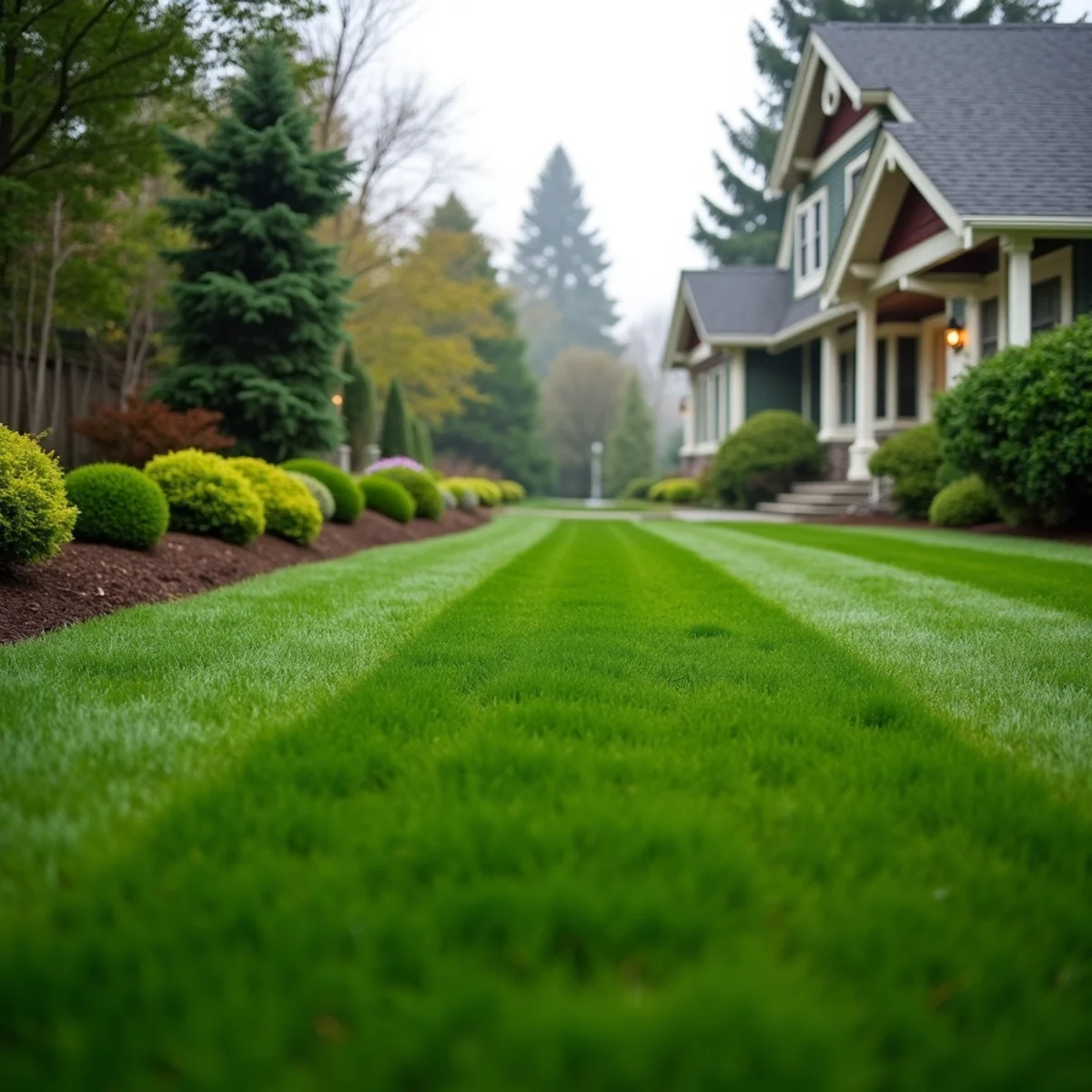
A Seattle lawn lives and dies by the calendar. Cool-season fescues and ryes surge from March through June, slow to a crawl in the July dry stretch, then rebound with the fall rains, and a mowing routine that ignores that rhythm scalps the turf in spring and starves it in summer. Our lawn care Seattle WA program is built around that cycle, with cutting heights, frequency, and feeding adjusted so your grass stays dense enough to crowd out weeds and moss on its own.
Moss is the defining challenge west of the Cascades. Shade, acidic soil, compaction, and constant winter moisture give it every advantage, and no amount of chemical spot-treatment fixes a lawn that never dries out or gets any light. We treat the causes, not just the green fuzz, pairing routine maintenance with aeration, dethatching, and pH correction so the grass can actually compete.
We service homes and small commercial properties across Seattle, Shoreline, Bellevue, and the wider King and Snohomish county corridor, with the same crew returning each visit so nobody is relearning your yard every week.
Signs Your Lawn Needs Professional Care
- Spongy, green moss is taking over shaded or north-facing sections of the yard
- The lawn thatches up and water beads on the surface instead of soaking in
- Bare, compacted patches along walkways and dog runs never fill back in
- Grass yellows and thins during the dry July and August stretch
- Uneven, scalped stripes appear after mowing on a slope or bumpy ground
- Weeds like dandelion, clover, and creeping buttercup keep outpacing the turf
What Our Lawn Care Includes
Scheduled Mowing & Edging
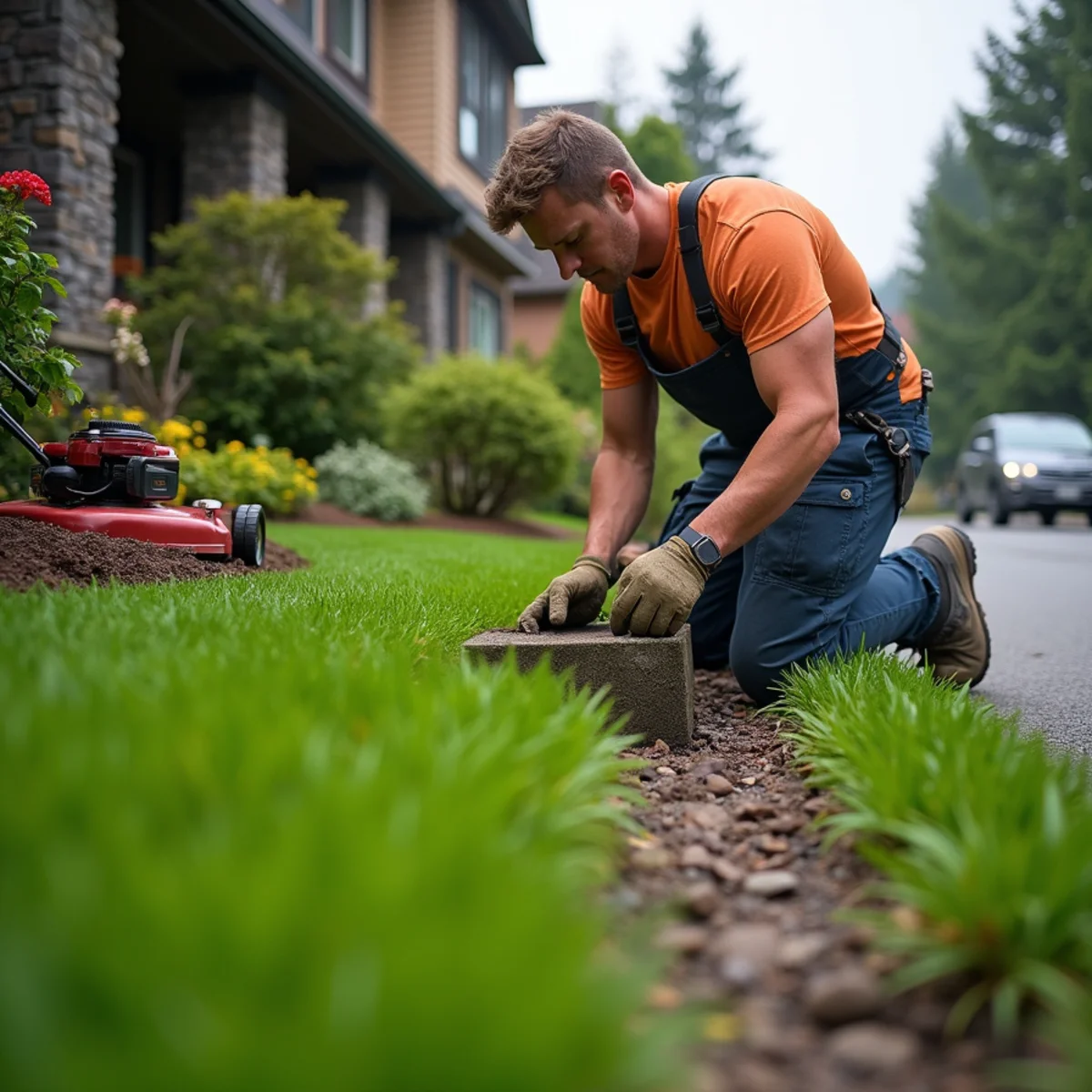
Weekly or biweekly mowing at the correct seasonal height, with crisp edging along beds, walks, and driveways and full clipping cleanup every visit.
Core Aeration
Mechanical plug aeration to relieve the compaction common in Seattle's clay and glacial till soils, opening the root zone to air, water, and nutrients.
Dethatching & Power Raking
Removal of the matted thatch and moss layer that blocks water and harbors disease, restoring airflow at the crown of the grass.
Moss Control & pH Correction
Targeted moss treatment plus lime applications to raise soil pH, tilting conditions back in favor of turfgrass rather than moss.
Fertilization & Overseeding
Season-appropriate feeding and overseeding with cool-season blends suited to shade and PNW rainfall to thicken thin, tired lawns.
Bed & Border Upkeep
Weeding, light pruning, and clean bed edges so the whole property reads as maintained, not just the grass.
Our Lawn Care Process
- 1
Property Walkthrough
We assess sun exposure, drainage, soil compaction, moss coverage, and grass type, then flag the sections working against you so the plan targets real problems, not guesses.
- 2
Custom Maintenance Plan
You get a written schedule with mowing frequency, seasonal add-ons like aeration and dethatching, and clear pricing, so there are no surprise line items later in the season.
- 3
Recurring Service Visits
The same crew mows, edges, and cleans up on a set cadence, adjusting cut height as the season shifts from spring flush to summer dormancy to fall recovery.
- 4
Seasonal Renovation Work
At the right windows, typically early spring and fall, we aerate, dethatch, lime, and overseed so the lawn keeps improving year over year instead of slowly declining.
- 5
Ongoing Communication
We report anything we spot, from irrigation gaps to early lawn disease, so small issues get handled before they turn into full renovations.
Talk to a Florentino Landscaping specialist
Get a free, no-pressure estimate from a licensed, insured Seattle crew. Same-day and 24/7 emergency service available.
Lawn Care Pricing in Seattle
Every yard is priced on its size, terrain, and condition, so we quote after seeing the property rather than over the phone. For context, routine lawn maintenance in the Seattle area commonly runs about $68 to $203 per visit, with larger seasonal cleanup visits landing higher. Recurring service almost always costs less per visit than one-off calls.
- Lawn square footage and the number of separate turf areas
- Mowing frequency: weekly service versus biweekly or on-call
- Slope, obstacles, and tight access that slow equipment down
- Add-on services like aeration, dethatching, and overseeding
- Severity of existing moss, thatch, and weed pressure
- Bagging and haul-away of clippings versus mulch-mowing in place
- Whether beds, edging, and borders are included in the visit
Florentino Landscaping has cared for Seattle-area lawns since 2016 as a family-owned, fully licensed and insured Washington landscaping company. We know how differently a shaded Ballard lot behaves from an open Bellevue yard, and we tune each maintenance plan to the microclimate in front of us rather than running one script across every property.
Every visit is backed by our satisfaction guarantee. If a section is not meeting the standard we set, we come back and make it right. Call (323) 606-0255 to set up a walkthrough and a straightforward maintenance quote.
Lawn Care & Maintenance — Frequently Asked Questions
Moss thrives here because of shade, acidic soil, compaction, poor drainage, and constant moisture. We can knock it back with treatment, but keeping it gone means fixing the causes, which is why we pair moss control with aeration, liming, overseeding, and sometimes selective pruning to let in light.
During the spring and fall growth surges, weekly mowing keeps the turf healthy and prevents scalping. In the drier midsummer stretch, growth slows and biweekly service is often enough. We adjust the schedule to the season instead of charging for cuts the grass doesn't need.
Early fall is ideal, since the soil is still warm, the rains return, and new seed establishes before winter. Early spring is the strong second choice. Both windows beat summer, when heat and drought stress make new grass hard to establish.
Yes. Most clients sign on for recurring service that flexes with the season, more frequent in the growing months and lighter in winter, with seasonal cleanups and aeration folded in. Recurring plans cost less per visit than one-off calls.
Not as short as most people think. Our cool-season fescues and ryes do best kept around two and a half to three inches, and a touch taller heading into the dry July and August stretch. Longer blades shade the soil, hold moisture, and crowd out weeds and moss. Scalping a lawn short stresses the roots and invites exactly the bare, mossy patches homeowners are trying to avoid, so we set cutting height by the season rather than cutting everything low.
Related reading
Why Your Seattle Lawn Is 70% Moss: Step-by-Step Dethatching, Aeration, and Overseeding
Moss is a symptom, not the disease. Here is why Seattle lawns go mossy and the step-by-step renovation that brings the grass back for good.
GuidePacific Northwest Winter Freeze-Thaw Lawn Protection: Combating Frost Heave and Saturated Roots
PNW winters punish lawns with freeze-thaw swings and waterlogged roots. Here is how to protect your turf so it greens up healthy in spring.