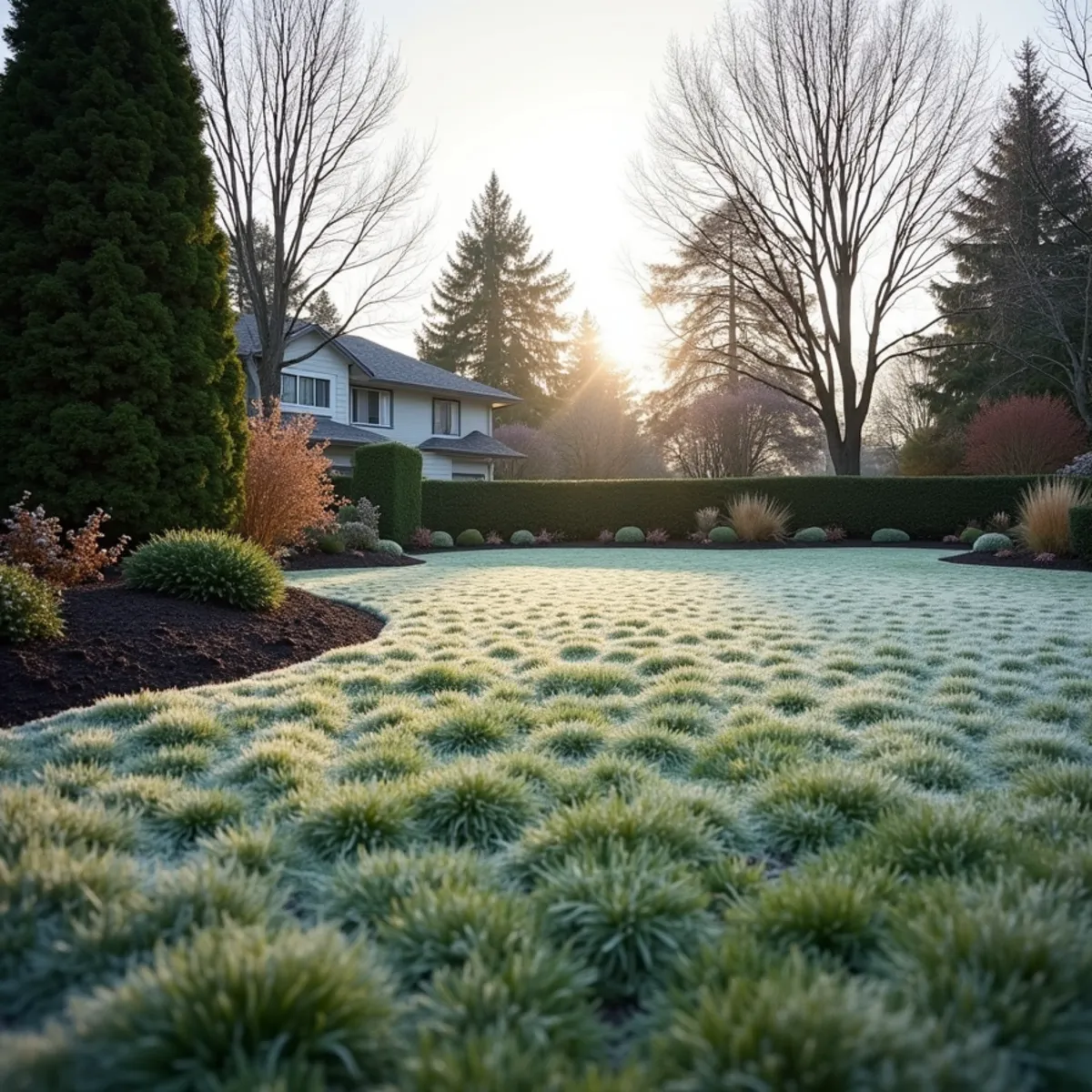
PNW winters punish lawns with freeze-thaw swings and waterlogged roots. Here is how to protect your turf so it greens up healthy in spring.
Pacific Northwest winters are hard on lawns in a way that surprises people. We do not get the deep, protective snow cover of colder regions, nor the reliable dry-freeze of the interior. Instead we get something more damaging: repeated swings between freezing and thawing, on ground that is already saturated. That combination stresses turf in ways a single hard freeze never would, working at the soil and the roots night after night rather than in one clean, dry cold snap.
The good news is that a lawn given the right care going into and through winter comes out the other side far healthier. Most winter lawn damage in our region is quietly preventable, the result of saturated soil and a few avoidable mistakes rather than the cold itself. Here is what the freeze-thaw cycle does and how to protect against it.
What Freeze-Thaw Does to Turf
When saturated soil freezes, the water in it expands. When it thaws, it contracts. Repeat that cycle dozens of times over a winter and the soil literally lifts and settles, a process called frost heave. This heaving tears fine grass roots, breaks the contact between root and soil, and can push shallow-rooted plants right out of the ground. Combined with waterlogged roots that are already starved of oxygen, it leaves turf weak and vulnerable by spring.
It is not the cold that wrecks a PNW lawn. It is the freezing, thawing, and never quite drying out.
Drainage Is Your First Defense
Because saturated soil is what makes freeze-thaw so damaging, the most effective protection is keeping the lawn from staying waterlogged in the first place. A lawn that drains is a lawn that suffers far less heaving.
- Address chronic wet spots with drainage before winter arrives.
- Keep catch basins and drain outlets clear of leaves and debris.
- Ensure grading moves water off the lawn rather than pooling it.
- Relieve compaction with fall aeration so water can percolate down.
Fall Preparation Pays Off All Winter
The work that protects a lawn through winter mostly happens in fall. A lawn that goes into the cold season strong and well-drained is far more resilient than one that limps in stressed.
- 1Aerate to relieve compaction and improve drainage before the wet season.
- 2Apply a fall fertilizer suited to root development, not top growth.
- 3Keep leaves cleared so they do not smother and rot the turf.
- 4Mow at the right height going into winter, neither scalped nor shaggy.
Stay Off the Frosted Lawn
Walking on frozen grass shatters the frozen blades and leaves footprint-shaped dead patches that show all spring. Keep foot traffic off the lawn until it thaws. For a full winter-prep plan, call Florentino Landscaping at (323) 606-0255.
Call (323) 606-0255Protecting Turf During the Freeze
During active freeze-thaw periods, the most important thing you can do is minimize stress on the lawn. Frozen grass is brittle, and traffic on it, whether foot, pet, or equipment, causes damage that does not show until it warms up. Resist the urge to walk paths across a frosted lawn, and keep vehicles and heavy items off it entirely.
Assessing and Recovering in Spring
Even a well-protected lawn may show some winter wear once it thaws. Heaved areas may need to be firmed back down, thin spots overseeded, and compaction relieved again as the growing season begins. Catching this early in spring, as part of a proper wake-up routine, gets the lawn back to full health before summer.
Snow, Salt, and Your Lawn
On the rare occasions we do get real snow, resist the urge to pile it onto the lawn while clearing walks and drives, especially snow that has been treated with deicing salt. Concentrated salt runoff burns turf and can leave dead strips along paths and driveways that take all spring to recover. Where you must stack cleared snow, spread it across a broad area rather than heaping it in one spot, and keep salted snow off planting beds entirely. Choosing a landscape-safe deicer anywhere near turf and beds also limits the damage. A little care during the occasional snow event prevents an ugly surprise when the lawn finally wakes up.
- Do not pile salted snow onto the lawn or into planting beds.
- Spread cleared snow across a broad area rather than one spot.
- Use a landscape-safe deicer near turf and beds.
- Rinse salt-exposed edges in spring to help them recover.
Get Your Lawn Winter-Ready
PNW winters test a lawn with freeze-thaw and saturation, but preparation makes all the difference. Solve drainage, do the fall prep, and keep traffic off frosted turf, and your lawn will green up strong in spring. Florentino Landscaping LLC provides seasonal lawn care and winter prep across Seattle and Snoqualmie. Call (323) 606-0255 to build your lawn's winter defense.
Frequently asked questions
It is the lifting and settling of soil as saturated ground freezes and thaws repeatedly. It tears fine grass roots and breaks root-to-soil contact, leaving turf weak by spring.
Frozen blades are brittle and shatter under foot, leaving footprint-shaped dead patches that show all spring. Keep traffic off the lawn until it thaws.
Saturated soil is what makes freeze-thaw so damaging. A lawn that drains well suffers far less heaving, so fixing wet spots before winter is the best protection.
In fall. Aeration, the right fertilizer, and leaf clearing set the lawn up to survive winter strong. Call (323) 606-0255 to schedule fall prep.