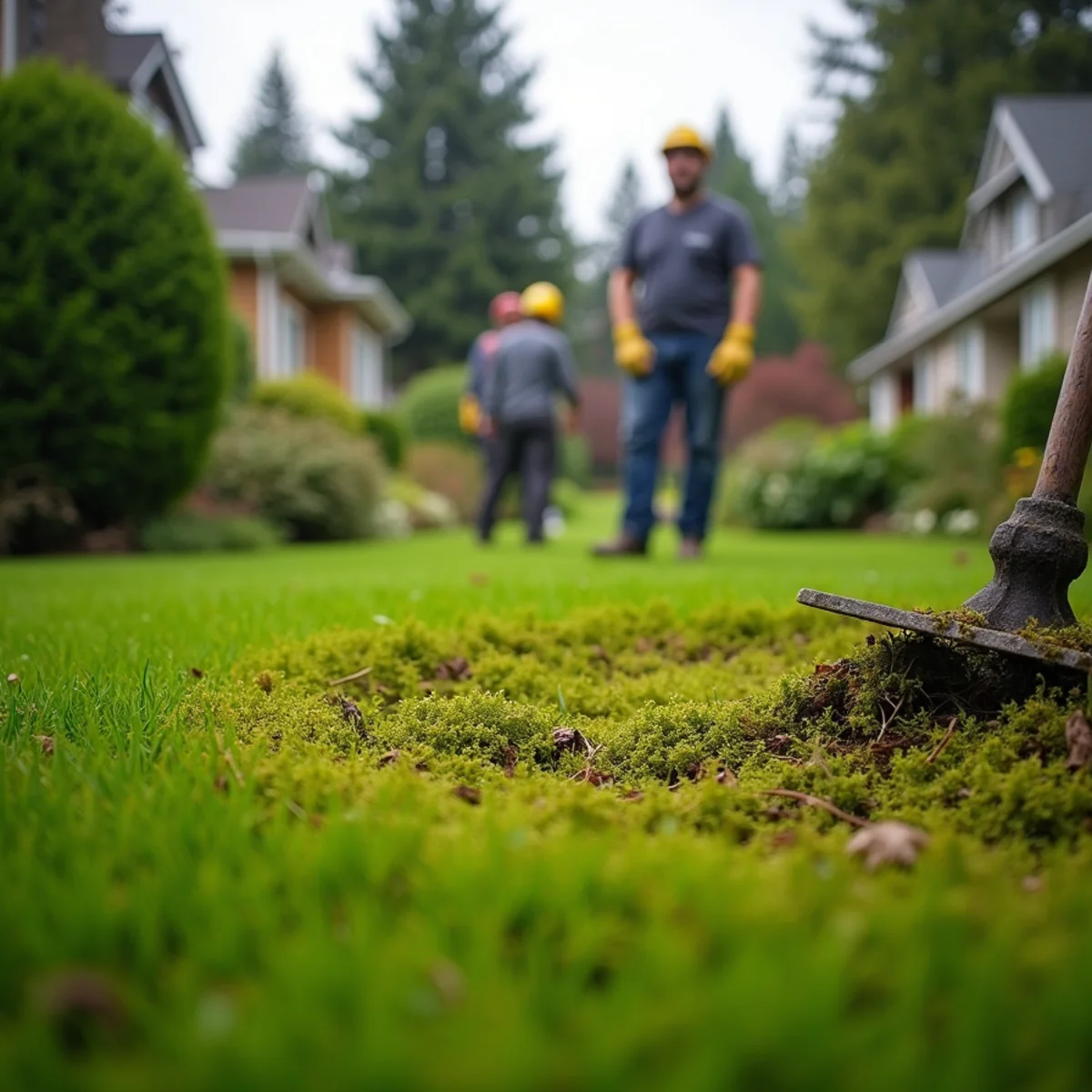
Moss is a symptom, not the disease. Here is why Seattle lawns go mossy and the step-by-step renovation that brings the grass back for good.
If your Seattle lawn is more green fuzz than grass, you are in good company. Moss thrives here, and plenty of lawns are well over half moss by the end of a wet winter. But here is the thing most homeowners miss: moss is not the problem, it is the symptom. Killing the moss without fixing what invited it just clears the way for it to come back.
To reclaim your lawn for good, you need to understand why moss took over, then follow a proper renovation sequence. Skip the first part and even the most thorough renovation is just borrowed time, because the same shady, damp, compacted conditions will invite the moss right back within a season or two. Let's do both.
Why Moss Loves Your Seattle Lawn
Moss moves in wherever grass is struggling, and Seattle offers it nearly perfect conditions. According to Seattle Public Utilities, the usual culprits are shade, soil acidity, poor drainage, compaction, and excess moisture. Notice that every one of those is about the growing conditions, not the moss itself.
- Shade from our tall conifers and overcast skies starves the grass of light.
- Acidic soil, common in the PNW, favors moss over turfgrass.
- Poor drainage keeps the surface wet, exactly what moss wants.
- Compacted soil chokes grass roots while moss spreads on top.
- Excess moisture from our long wet season tips the balance toward moss.
You do not have a moss problem. You have a grass problem, and moss is just filling the gap.
The Renovation Sequence That Works
A lasting fix follows a specific order. Skip a step or do them out of sequence and the results disappoint. Here is the proven progression.
- 1Treat and remove the existing moss so you are starting with a clean surface.
- 2Dethatch to pull out the dead moss and the mat of thatch smothering the crowns.
- 3Aerate to relieve compaction and open the soil to air, water, and roots.
- 4Amend the soil, often with lime to correct acidity based on a pH read.
- 5Overseed with a PNW-appropriate blend to fill in the bare areas.
- 6Topdress and water to establish the new seed.
Dethatching: Clearing the Way
Thatch is the layer of dead material between the green grass and the soil. A thin layer is healthy, but a thick mat, common where moss has taken hold, blocks water and air from reaching the roots. Dethatching mechanically rakes it out, which alone makes a visible difference and is essential before seed can reach soil.
Aeration: The Step Most People Skip
Core aeration pulls small plugs of soil out of the lawn, relieving the compaction that plagues PNW yards. This is the step that addresses one of moss's favorite conditions at the root. Aerated soil drains better, breathes better, and gives new grass roots room to establish. Doing it right before overseeding also gives seed ideal pockets to settle into.
Timing Makes or Breaks the Results
Fall and early spring are the best windows for lawn renovation in the PNW, when moisture and temperatures favor grass establishment over moss. To get the sequence and timing right, call Florentino Landscaping at (323) 606-0255.
Call (323) 606-0255Overseeding and Addressing the Root Cause
Overseeding with the right grass blend fills in bare and thin areas so a thick, healthy lawn can outcompete moss going forward. But remember the underlying conditions. If deep shade or poor drainage caused the problem, they need attention too, whether that means selective pruning to let in light or a drainage fix to dry out a chronically wet area. Otherwise the moss returns.
Keeping Moss From Coming Back
Winning the lawn back is only half the battle; keeping it means staying ahead of the conditions that favored moss in the first place. Mow at the proper height so the grass shades out competitors rather than leaving bare soil exposed, feed on a sensible seasonal schedule to keep the turf vigorous, and aerate periodically to fight the compaction that always creeps back in our heavy soils. Keep a close eye on the shady, damp corners where moss reappears first, and address any drainage or light problem before it spreads across the yard. An annual check, ideally in fall, catches early moss while it is still easy to treat.
- Mow high enough that dense grass shades out returning moss.
- Feed on a seasonal schedule to keep turf competitive.
- Aerate periodically to counter the compaction moss loves.
- Inspect shady, damp corners each fall and treat moss while it is small.
Reclaim Your Lawn From the Moss
Moss is beatable, but only if you fix the conditions that invited it and follow the renovation sequence in order. Treat, dethatch, aerate, amend, and overseed at the right time of year, and address the shade or drainage behind it all. Florentino Landscaping LLC handles moss renovation and lawn care across Seattle and Mountlake Terrace. Call (323) 606-0255 to bring your grass back.
Frequently asked questions
No. It clears the moss temporarily, but if you do not address the shade, drainage, compaction, and acidity that caused it, the moss simply returns. Renovation is the real fix.
Fall and early spring are best in the PNW. Those windows favor grass establishment over moss, giving your overseeding the best chance to take.
For most Seattle lawns, yes. Compaction is one of moss's favorite conditions, and core aeration relieves it while giving new seed ideal pockets to establish in.
Deep shade favors moss, so selective pruning to let in light may be part of the solution. Call (323) 606-0255 and we will assess the full picture.