After a long wet winter, your yard needs a proper wake-up. Follow these seven critical spring steps to set up a healthy Western Washington growing season.

After a Western Washington winter of relentless rain and short gray days, your yard emerges soggy, matted, and often a little worse for wear. Spring is the season that sets up everything that follows, and the work you do now determines whether your landscape thrives through summer or limps along. Think of it as waking the yard up properly rather than just tidying it.
Here is a practical seven-step checklist tailored to our climate. Work through it in order and your yard will be primed for the growing season.
Step 1: Clear Winter Debris
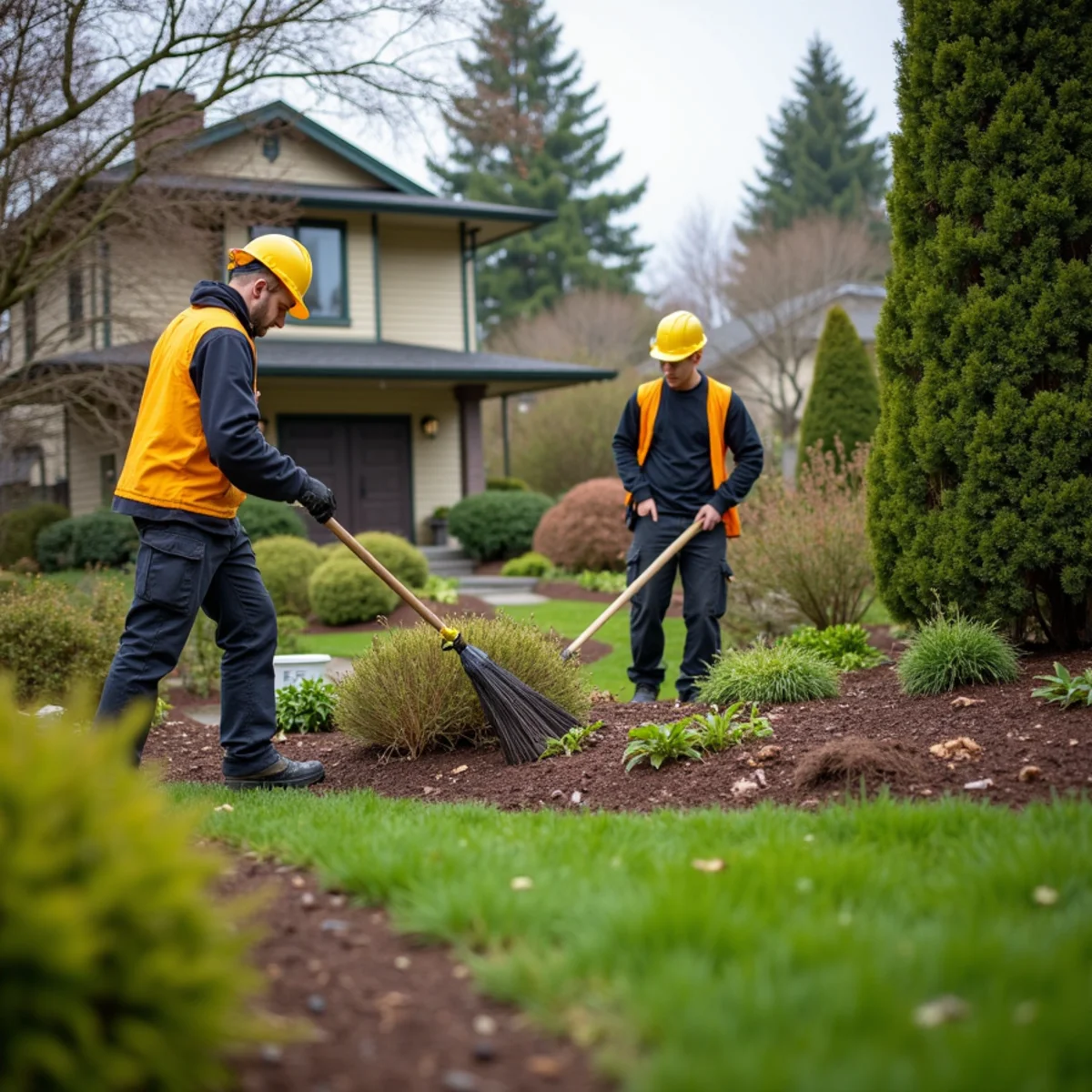
Start by removing everything winter dumped on the yard: fallen branches, matted leaves, and the general litter of the wet season. This debris smothers the lawn, harbors disease, and hides problems underneath. Clearing it lets you see what you are working with and lets the ground start to breathe and dry.
Step 2: Assess Winter Damage
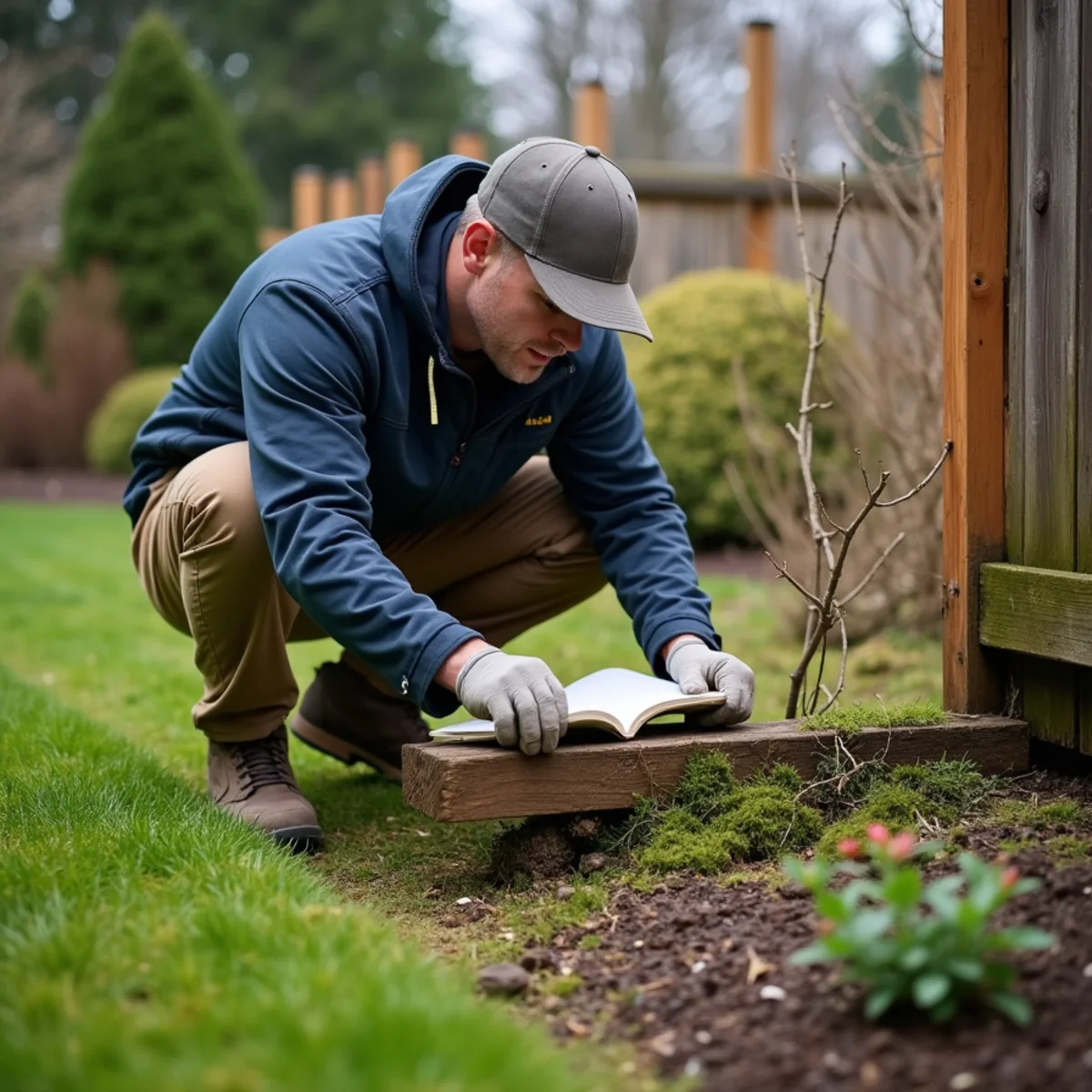
With the debris gone, walk the property and take stock. Winter here is hard on landscapes, and catching damage early makes it far cheaper to fix.
- Check for broken or hanging tree limbs left by winter storms.
- Look for lawn areas damaged by disease, moss, or standing water.
- Inspect fences, hardscape, and beds for winter movement or damage.
- Note any drainage spots that stayed wet all winter and need attention.
Step 3: Tackle Moss While It's Active
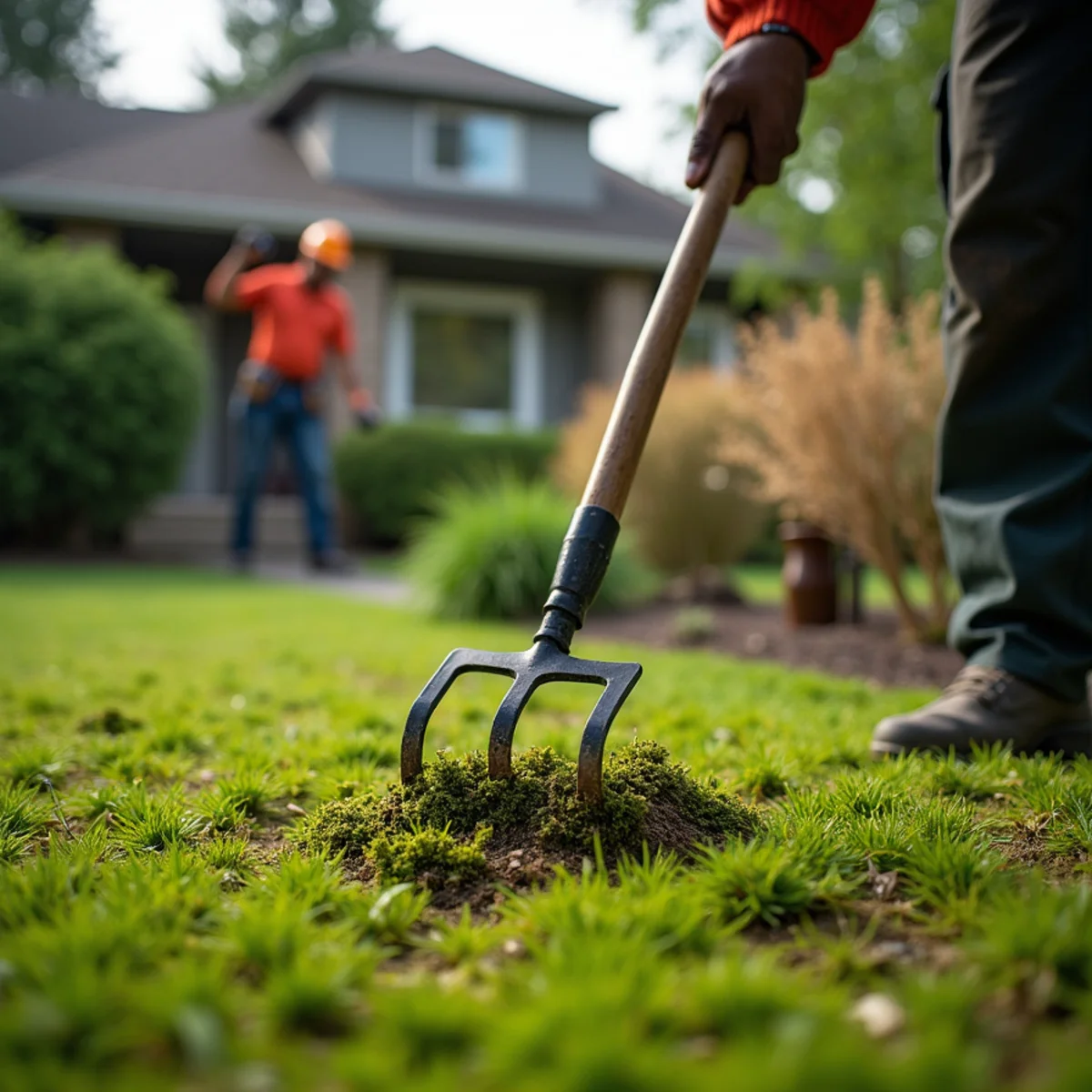
Moss is at its most vigorous after our wet winters, and spring is a prime time to address it. Treating and removing moss now, before the grass hits its stride, gives your turf room to fill back in. Remember that lasting moss control means addressing the shade, drainage, and compaction behind it, not just scraping the surface.
Do It Once, Do It Right
A proper spring cleanup is physical, muddy work, and the sequence matters. If you would rather have it done thoroughly in one pass, call Florentino Landscaping at (323) 606-0255 to book a professional spring awakening.
Call (323) 606-0255Step 4: Aerate Compacted Soil
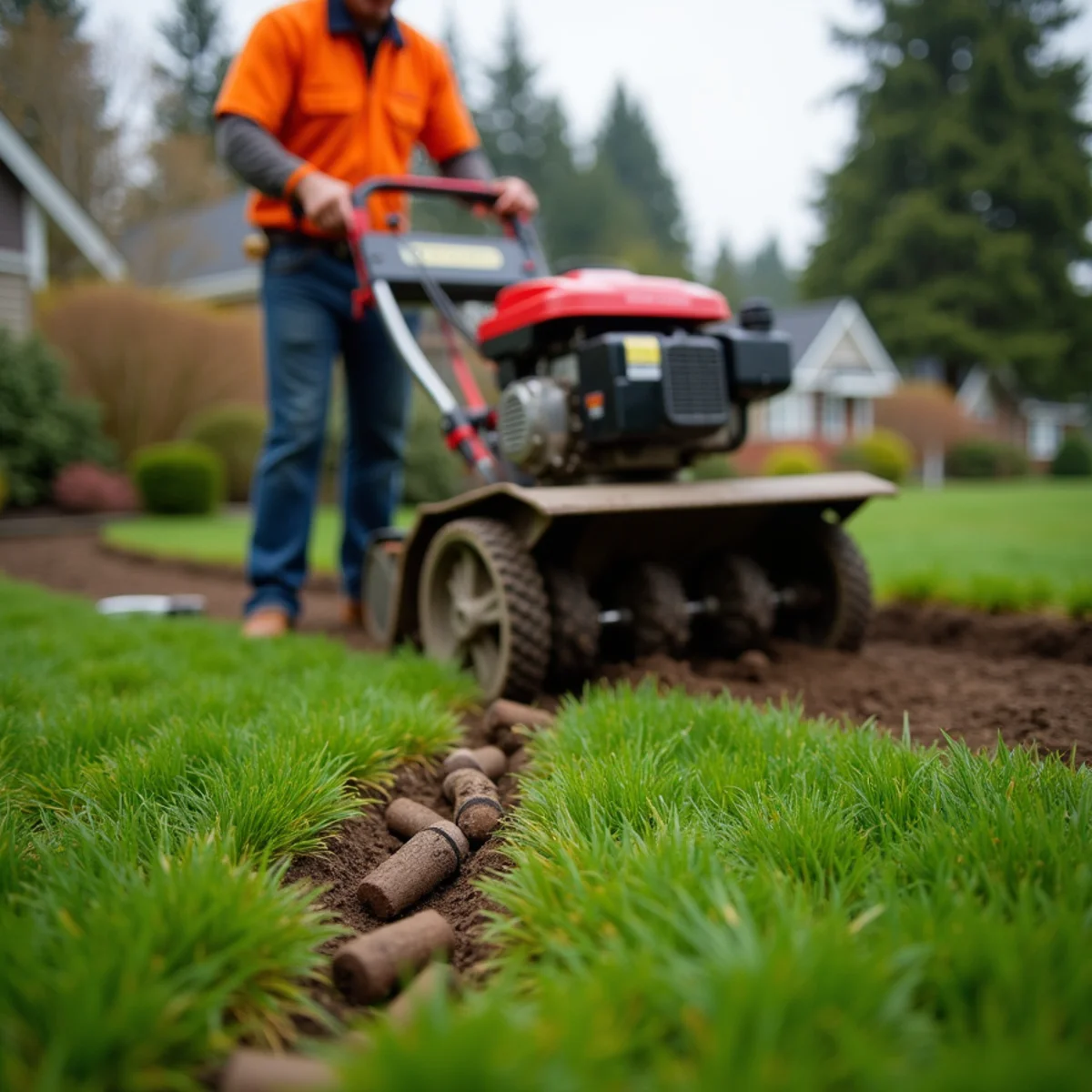
Months of rain-soaked soil and winter traffic leave the ground compacted. Core aeration relieves that compaction, letting air, water, and nutrients reach the roots. It is one of the highest-value things you can do for a PNW lawn, and spring is a solid window for it.
Step 5: Feed and Overseed the Lawn
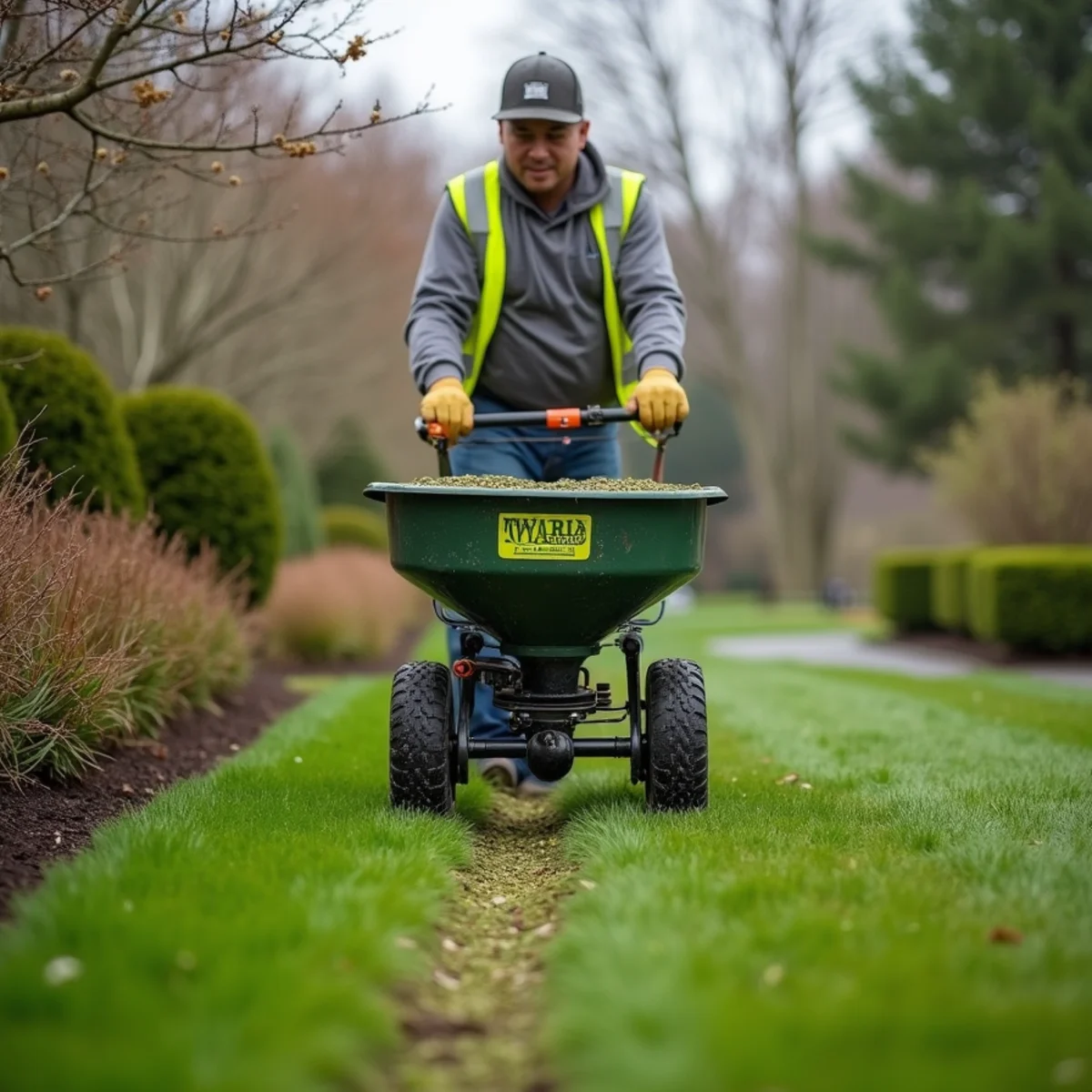
Once the lawn is cleared, de-mossed, and aerated, it is ready to be fed and thickened. A spring feeding supports healthy growth, and overseeding thin or bare areas helps a dense lawn crowd out weeds and moss through the season.
A thick spring lawn is the best weed control there is. Bare soil is an invitation.
Step 6: Refresh Beds and Mulch
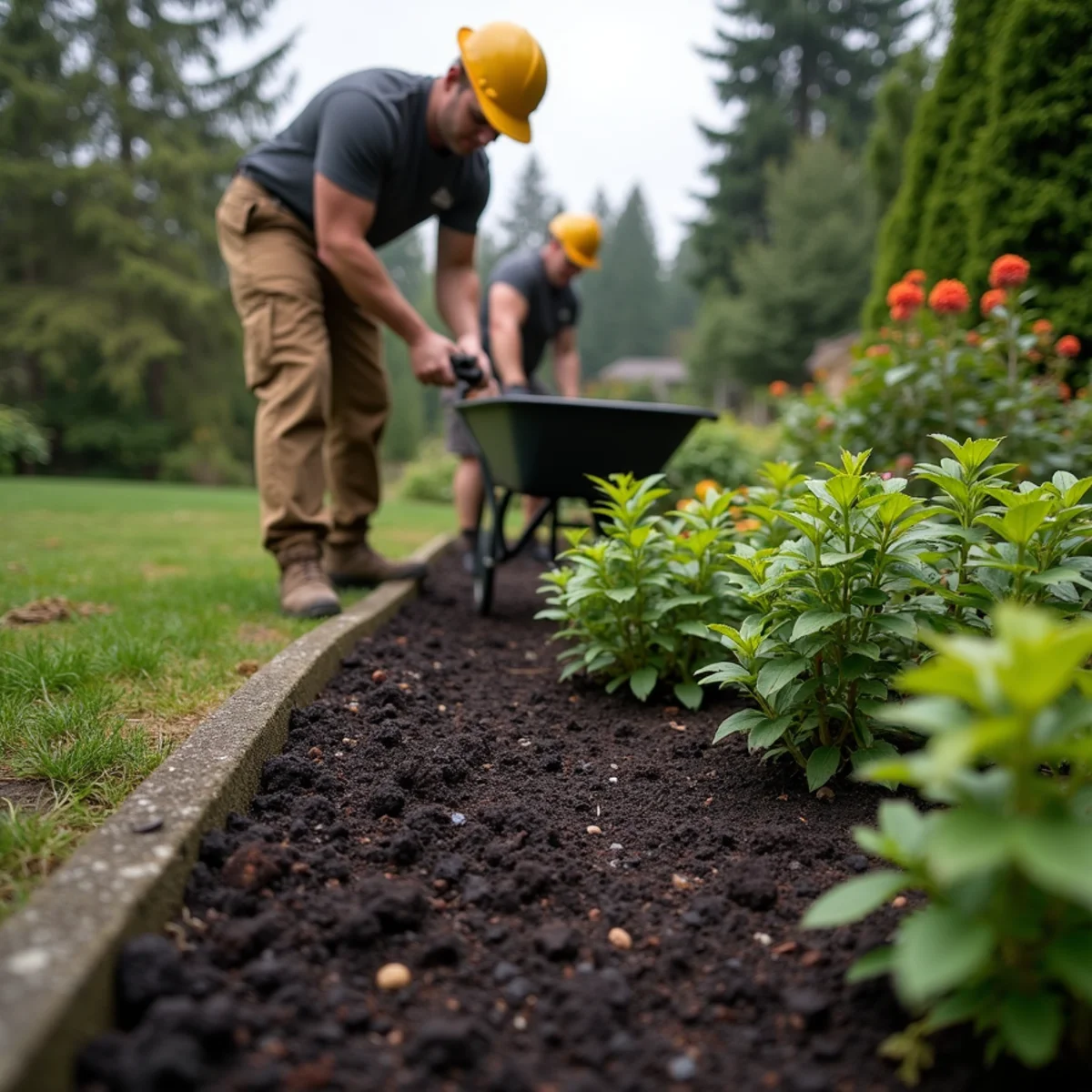
Planting beds need attention too. Clear out weeds while they are small and easy, cut back the dead growth from last year, and refresh the mulch. A fresh layer of mulch does real work: it suppresses weeds, retains moisture for the dry summer ahead, and gives the whole landscape a finished look.
- 1Pull early weeds before they set seed.
- 2Cut back spent perennials and winter dieback.
- 3Edge the beds for a clean line.
- 4Top up mulch to a consistent depth without burying plant crowns.
Step 7: Check and Prep Your Irrigation
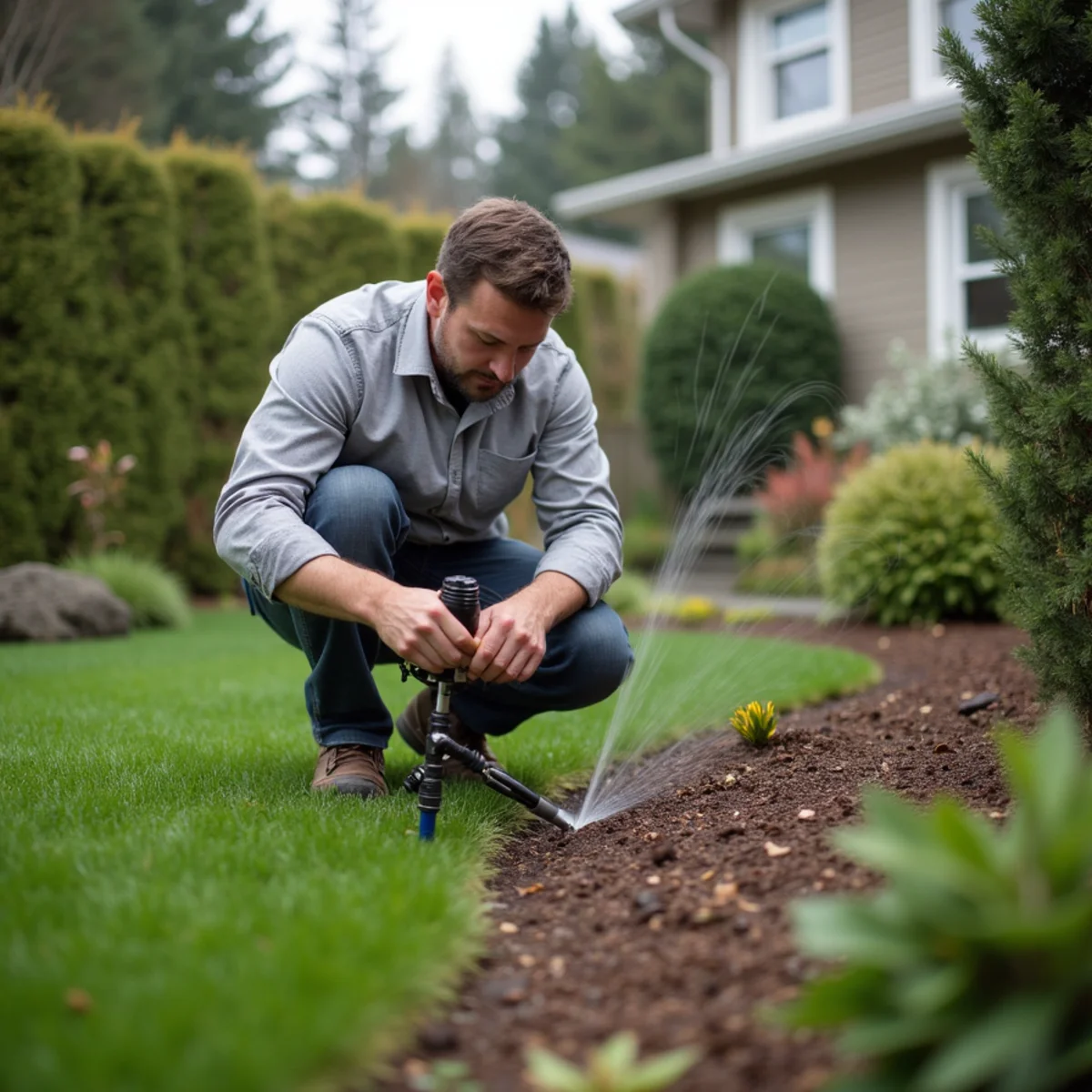
Our summers are surprisingly dry, and you will want irrigation working before you need it. Spring is the time to check the system: test each zone, look for leaks or broken heads that developed over winter, and adjust coverage. Discovering a broken zone in July, mid-drought, is a preventable headache.
Timing Each Spring Task
Spring tasks each have a window, and doing them in the right order and at the right moment matters as much as doing them at all. Rushing a job onto saturated ground or into cold soil wastes the effort and can even set the lawn back. In Western Washington the sequence tends to follow the drying of the soil and the warming of the ground, so patience in the first few weeks pays off through the whole season. Work with the yard's readiness rather than the calendar alone, and each task delivers its full benefit.
- 1Clear winter debris as soon as the yard is workable, before growth starts.
- 2Treat moss early while it is still actively growing.
- 3Aerate once the soil has drained enough to pull clean cores.
- 4Overseed as soil temperatures rise so seed germinates reliably.
- 5Mulch after weeding but before the summer dry-down sets in.
Wake Your Yard Up Right
A thorough spring awakening pays dividends all year. Clear the debris, assess the damage, beat back the moss, aerate, feed, refresh the beds, and prep the irrigation, and your Western Washington yard will be set for a strong season. Florentino Landscaping LLC handles complete spring cleanups across Seattle and Lynnwood. Call (323) 606-0255 to book yours.
Frequently asked questions
As the worst of the rain eases and the ground starts to dry, typically early spring. Doing it before the growing season hits its stride sets the whole year up well.
Yes. Moss is most active after our wet winters, so treating and removing it in spring gives the grass room to recover. Just be sure to address the underlying causes too.
It is smart to. Our summers are dry, and finding a broken zone in spring is far easier than discovering it mid-drought in July. Test each zone before you need it.
Usually yes. A professional crew works the steps in the right sequence in a single thorough pass. Call (323) 606-0255 to book a spring awakening.